Expanding Treatment Options For Biliary Strictures
Biliary obstruction leads to jaundice, cholangitis, and impaired quality of life. While stents restore flow, restenosis and recurrent strictures are common, particularly in malignant disease.
70%
Of all biliary strictures are malignant, most caused by cholangiocarcinoma or pancreatic cancer.1
<50%
Of patients will experience stent occlusion within 6–8 months, leading to repeat interventions.2
Up to 43%
Liver transplant patients may develop benign biliary strictures, underscoring the need for adjunct therapies like biliary RFA.3
70%
Of all biliary strictures are malignant, most caused by cholangiocarcinoma or pancreatic cancer.1
<50%
Of patients will experience stent occlusion within 6–8 months, leading to repeat interventions.2
Up to 43%
Liver transplant patients may develop benign biliary strictures, underscoring the need for adjunct therapies like biliary RFA.3
Endoluminal RFA with ELRA™
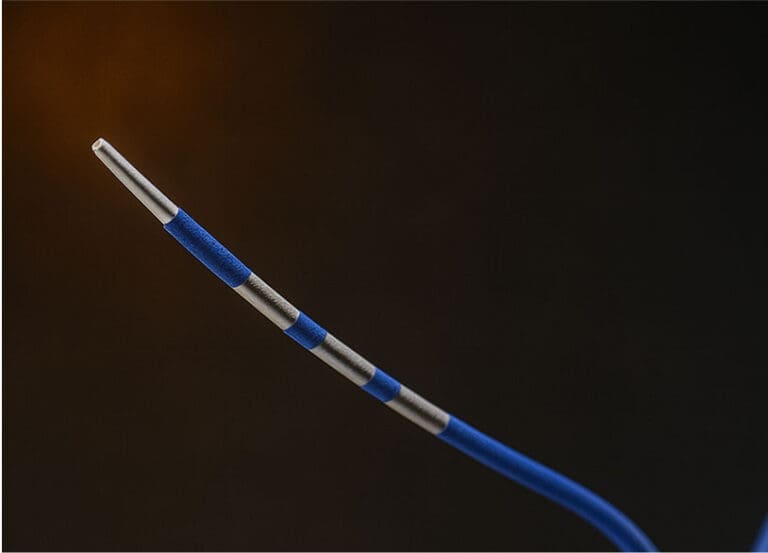
ELRA™ is a temperature-controlled RF catheter designed for endoluminal ablation of biliary and pancreatic ducts. By ablating tumor or fibrotic tissue intraductally, ELRA™ helps restore duct patency and improve stent outcomes.
ELRA™ is a shorter, 40 cm RF catheter introduced over-the-wire (OTW) into the hepatopancreatobiliary ducts.
STEP 2
Targeted Endoluminal Ablation
Controlled radiofrequency energy ablates tumor or fibrotic tissue intraductally under fluoroscopic guidance.
STEP 3
Improved Outcome
Restored lumen patency, optimized stent placement, and reduced need for repeat interventions.
STEP 1
Percutaneous Access
ELRA™ is a shorter, 40 cm RF catheter introduced over-the-wire (OTW) into the hepatopancreatobiliary ducts.
STEP 2
Targeted Endoluminal Ablation
Controlled radiofrequency energy ablates tumor or fibrotic tissue intraductally under fluoroscopic guidance.
STEP 3
Improved Outcome
Restored lumen patency, optimized stent placement, and reduced need for repeat interventions.
Key Advantages
4 exposure lengths
11, 18, 22, 33 mm for a tailored endoluminal ablation
VIVA combo RF Generator
To provide real-time impedance and temperature monitoring
Flexible 7 Fr catheter
With a conical silicone tip for easy navigation through narrow ducts
4 exposure lengths
11, 18, 22, 33 mm for a tailored endoluminal ablation
VIVA combo RF Generator
To provide real-time impedance and temperature monitoring
Flexible 7 Fr catheter
With a conical silicone tip for easy navigation through narrow ducts
A Portfolio of Sizes
ELRA™ gives physicians the flexibility to tailor ablation to duct size, stricture length, and patient anatomy.
*Recommended size for anatomy.
Evidence at a Glance
Prospective single- and multicenter studies have shown temperature-controlled intraductal RFA using ELRA™ to be feasible, safe, and effective in maintaining biliary patency.5,6 Temperature control prevents excessive heating, minimizing the risk of vascular or ductal injury.
+50 days stent patency when biliary RFA is combined with stenting4
87% clinical success in refractory benign strictures5
>80% technical success across multicenter studies6
See how safe and effective STARMED’s industry-leading equipment is in practice.
By submitting this form, you consent to receive marketing emails from STARMED America at the email provided. You can unsubscribe at any time. Please see our privacy policy for more information.