A flexible bipolar RF catheter engineered for safe, targeted ablation of benign and malignant biliary strictures using a percutaneous approach.
The Flexible RF Catheter
Biliary obstruction can significantly impact patient quality of life, leading to jaundice, infection, and repeated interventions. While stents restore flow, occlusion and recurrent strictures are common.
ELRA™ provides a safe, precise radiofrequency ablation solution that helps maintain duct patency, improve stent performance, and expand treatment options for both benigh and malignant biliary strictures.
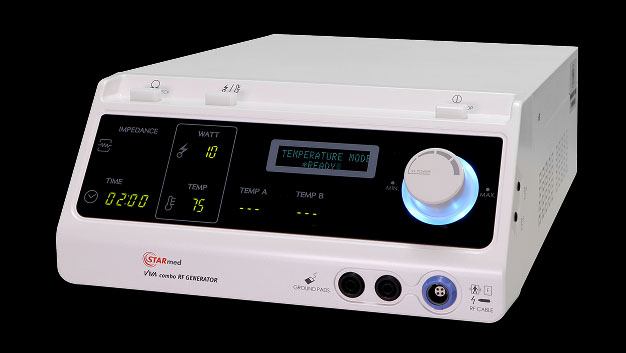
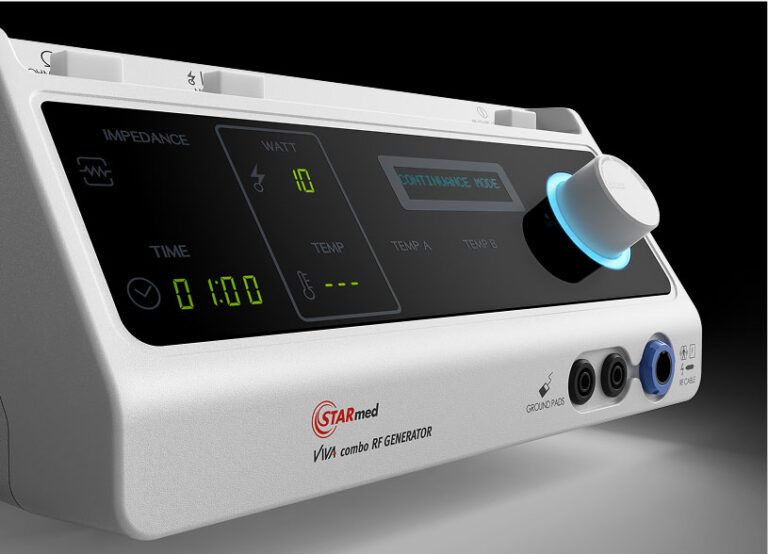
When paired with the VIVA combo RF Generator, Temperature Mode ensures ELRA™ delivers controlled, reproducible ablation zones, enhancing safety and giving physicians confidence in every procedure.
Temperature-Sensing Technology for Precision and Safety
With Temperature Mode activated, the ELRA™ catheter measures tissue temperature at the ablation site and transmits continuous feedback to the generator.
How It Works – A Closed-Loop Safety System for Enhanced Patient Safety
Set Target Temperature
In Temperature Mode, the physician sets the optimal ablation temperature.
Continuous Feedback
The ELRA™ catheter senses tissue in real time and relays data to the generator.
Dynamic Power Regulation
The generator automatically adjusts power output to maintain the set temperature.
Automatic Shut-Off
System ends energy delivery once ablation is complete or contact is inadequate.
Set Target Temperature
In Temperature Mode, the physician sets the optimal ablation temperature.
Continuous Feedback
The ELRA™ catheter senses tissue in real time and relays data to the generator.
Dynamic Power Regulation
The generator automatically adjusts power output to maintain the set temperature.
Automatic Shut-Off
System ends energy delivery once ablation is complete or contact is inadequate.
From Safety to Simplicity: Confidence at Every Step
The ELRA™ system integrates additional features designed to optimize control, adaptability, and ease of use in complex biliary anatomies.
Impedance Monitoring
The VIVA combo RF Generator monitors impedance in real time, shutting off automatically if values are too high or too low. This safeguard prevents over-ablation and reduces thermal risk.
A Portfolio of Sizes
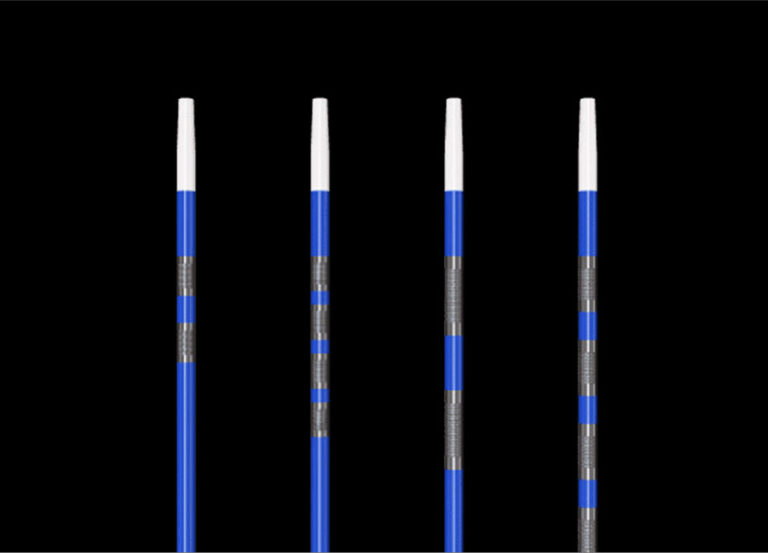
Available in 4 active tip lengths (11, 18, 22, and 33 mm), ELRA™ gives physicians the flexibility to tailor ablation to duct size, stricture length, and patient anatomy.
Easy Navigation
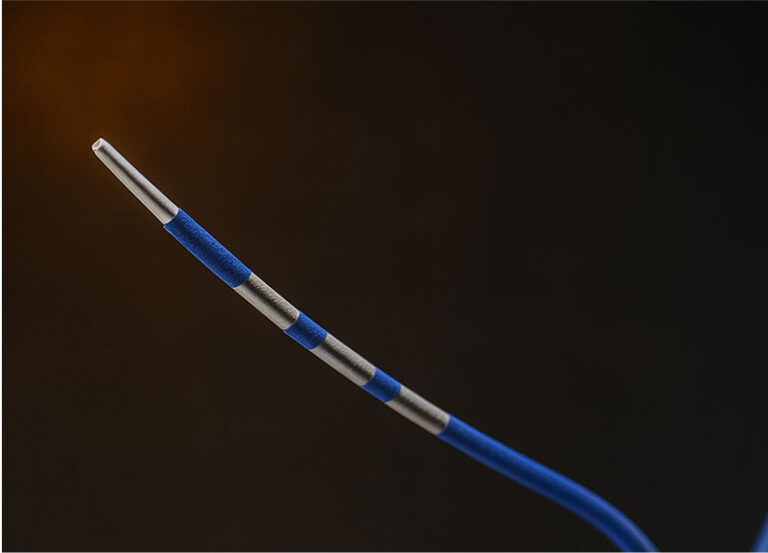
Designed with a slim 7 Fr profile and tapered silicone tip, the 40 cm ELRA™ RF catheter navigates narrow ducts effortlessly for precise placement in complex anatomy.
Impedance Monitoring
The VIVA combo RF Generator monitors impedance in real time, shutting off automatically if values are too high or too low. This safeguard prevents over-ablation and reduces thermal risk.
A Portfolio of Sizes
Available in 4 active tip lengths (11, 18, 22, and 33 mm), ELRA™ gives physicians the flexibility to tailor ablation to duct size, stricture length, and patient anatomy.
Easy Navigation
Designed with a slim 7 Fr profile and tapered silicone tip, the 40 cm ELRA™ RF catheter navigates narrow ducts effortlessly for precise placement in complex anatomy.
Real-World Application in Biliary Ducts
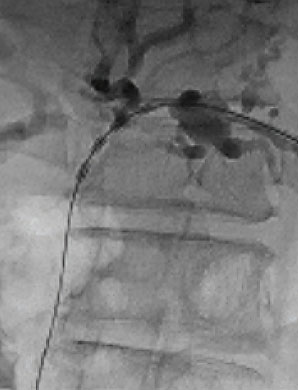
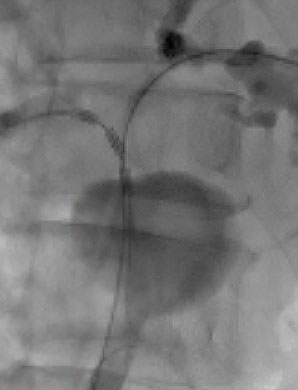
Fluoroscopic images demonstrate the use of ELRA™ in both the right and left hepatic ducts. These cases highlight the catheter’s ability to navigate complex ductal anatomies and deliver targeted ablation with precision. By restoring duct patency in strictures, ELRA™ provides a minimally invasive option that relieves obstruction and improves quality of life for patients.
A bipolar electrode delivers energy between two poles on the same catheter tip. This offers more precise ablation in small, delicate structures like the biliary ducts.
How is RFA used in biliary duct obstruction treatment?
RFA helps ablate obstructive tissue within the bile ducts, which can restore ductal patency before placing a stent.
See how safe and effective STARMED’s industry-leading equipment is in practice.
By submitting this form, you consent to receive marketing emails from STARMED America at the email provided. You can unsubscribe at any time. Please see our privacy policy for more information.